Colonialism, Mission and Responsibilities for the Future: The Example of the Great Lakes Region in Central Africa
-
by
Evariste Nsabimana
- No Comments on Colonialism, Mission and Responsibilities for the Future: The Example of the Great Lakes Region in Central Africa
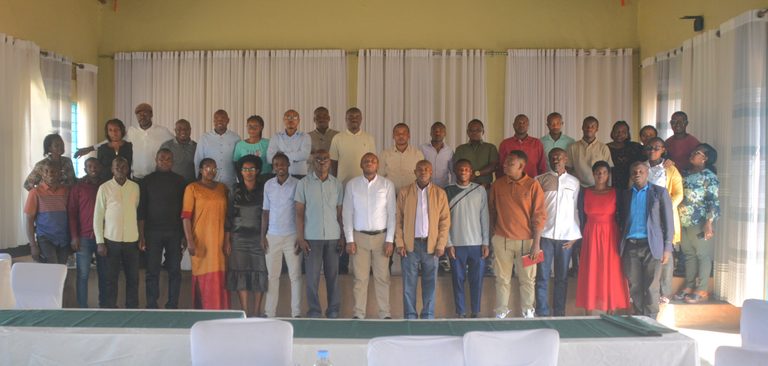
Karongi, Rwanda – October 10, 2025 – The Presbyterian Church in Rwanda (EPR) successfully hosted an international conference titled “Colonialism, Mission and Responsibilities for the Future: The Example of the Great Lakes Region in Central Africa” from October 6–10, 2025, at Bethany Hotel, Karongi.
The five-day conference brought together the Representatives of World Ecumenical Institutions like World Council of Churches (WCC) , United Evangelical Mission) UEM), Kerk in Actie (KIA) and different Academic Institutions (13 Universities), Church leaders, Professors, Theologians, scholars from Europe and Africa to examine the historical and ongoing effects of colonialism and mission, and to define shared responsibilities for a just and equitable future.
The event was opened by the Deputy CEO of the Rwanda Governance Board (RGB) and the Rev.Dr Pascal BATARINGAYA, president and legal representive of EPR, with keynote remarks from Bishop Prof Dr Heinrich Bedford-Strohm, the Moderator of WCC, and Bishop Dr. Abednego Keshomshahara, Moderator of the United Evangelical Mission (UEM)

Through keynote sessions, panel discussions, and group reflections, participants engaged in critical dialogue on how colonial legacies continue to influence global relations, education systems, and church partnerships.
Four thematic panels structured the discussions:
- German Colonialism and Missionary Activities in East Africa
- Processes of Decolonization and the Role of Mission Churches
- Theological Responsibilities in Post-Colonial Contexts
- Education and Pathways Toward a Decolonized Future
In their final communiqué, participants reaffirmed their shared commitment to:
- Promoting equality, peace, and dignity for all as God’s creation.
- Strengthening partnerships between the Global North and South to address persistent inequalities.
- Supporting Africa-centered education and research collaborations.
- Reforming education systems toward contextual and home-grown solutions.
- Publishing the conference proceedings to further global dialogue and awareness.
The conference concluded with a strong statement and call for collective responsibity, solidarity, reconciliation and transformative action to confront colonial legacies and its consequences, advance justice, and build enduring, inclusive partnerships for a peaceful and sustainable future.